DNA replication is the process of creating an exact copy of a molecule of DNA. This replication is said to be semi-conservative, because each new molecule of DNA contain one strand from the original molecule, and one new parent strand.
Replication starts at a specific nucleotide sequence, called replication origin. An enzyme called helicase, binds to the DNA molecule and unravel it. An enzyme called primase construct a short stand called primer. This primer will be the starting point for the attachment of new nuclotides, which is a job of the enzyme called DNA polymerase, in a process called elongation.
However, the DNA is anti parallel. The replication can occur continuously in one strand called leading strand and in other one lagging strand is replicated in short segments called Okazaki fragment. To end this process DNA ligase, spliced all this together.
Mostrando postagens com marcador Biology. Mostrar todas as postagens
Mostrando postagens com marcador Biology. Mostrar todas as postagens
domingo, 9 de junho de 2013

DNA vs RNA
- Sugar: The RNA sugar component is ribose, instead of deoxyribose.
- RNA does not have the nucleotide thymine (T), however, in its place is the nucleotide uracil (U).
- RNA is single stranded.
Structure of DNA
DNA is formed by long chains of nucleotides. Each nucleotide is formed by a phosphate group, a five-carbon sugar (deoxyribose), and a base, which can be adenine (A), guanine (G), cytosine (C), and thymine (T).
Chargaff's rule affirms that the amount of Adenine and Thymine, as well as guanine and cytosine, are always going to be similar.
The chains of nucleotides that form DNA are bound together in spiral shape. Giving it the name of double helix.
In DNA, there is a pattern called complementary base pair, which says that adenine will always bound with thymine, while guanine will always bound with cytosine.
The two strands of DNA are antiparallel, which means they run in different directions.
Meiosis
Meiosis is the process that produces haploid cells from diploid cells. Meiosis have two key outcomes:


- Reduction Division: It produces daughter cells with fewer chromosomes than the parent cells.
- Recombination: The products of meiosis have different combinations of genes. Genetic recombination give rises to genetically distinct offspring.
Meiosis is divided into two phases: Meiosis 1 and meiosis 2.
Interphase: Interphase is the same for both meiosis and mitosis. There is the growth, genetic duplication, and formation of structures necessaries for duplication.
Prophase 1: In prophase 1, each pair of homologous chromosomes, in this case non-sister chromatids, align side by side, forming the synapsis. non-sister chromatids exchange pieces of chromosomes, in a process of crossing over.
Metaphase 1: The spindle fibre guide the tetrads to the center of the cell. There they line up in homologous pairs. Each homologous of the pair is positioned in each side of the equator.
Anaphase 1: Homologous pairs are divided from one another, generating lonely chromosomes.
Telophase 1: DNA is not duplicated in this part.
Meiosis 2: Identical process as mitosis.
Nondisjunction
Sometimes, chromosomes or chromatids do not separate as they should during anaphase 1 or anaphase 2.
- In Anaphase 1, nondisjunction occurs when homologous chromosomes pairs do not separate to opposites poles, instead they all go to they same pole.
- In anaphase 2, nondisjunction occurs when sisterchromatids, fail to be divided, and they go to the same pole together.

Mitosis
The process of cell division have important functions, which are growth of the body, replacement, and repair. To accomplish each of these function, each daughter cell must have exactly the same genetic information as the parents. For this to happen, the genetic material of the parent cell must be correctly duplicated, chromatin must be condensed into chromosomes, and one set of chromosomes must be divided into each of two nuclei.
- Prophase: This is the first phase of the four of mitosis. during prophase, the chromatin condenses into chromosome. The nuclear membrane breaks down, as well as the nucleolus. Centrioles start to move to the poles, and spindles fibres start to be formed.
- Metaphase: The spindle fibres guides the chromosome to the center of the cell, the equator line. Each sister chromatid faces one pole.
- Anaphase: centromeres are splits apart and the sister chromatids separate from each other.
- Telophase: This is the final phase of mitosis. Chromatids starts to transform into chromatids. Nuclear membrane and nucleolus are back. Centrioles divids.
- Cytokinesis: The cytoplasm divides.
Cell Cycle
Cell cycle is the life cycle of a cell. Their duration vary among the different types of cells. A single cell cycle is the set of events before each division. It relates a parent cell, which is the original cell and the daughter cells, which are the new cells that a are formed in each cell division.
The cell cycle is divided into two phases: The growth phase and the division phase. Each of them are divided in other phases.
The Growth Phase

The growth phases is also called the interphase, and it is divided into 4 distinct phases.
The cell cycle is divided into two phases: The growth phase and the division phase. Each of them are divided in other phases.
The Growth Phase

The growth phases is also called the interphase, and it is divided into 4 distinct phases.
- G1 (gap 1) phase: The G1 phase is the period where the cell grows.
- G0 phase: This only happens in certain cells. G0 phase is basically a phase where the cell stop growing and doesn't look forward to divide.
- S (synthesis) phase: In this phases the DNA is copied
- G2 (gap 2) phase: Period at which there is more growth of the cell, as well as other structures are formed.
The Division Phase
The division phase is divided into two phases:
- Mitosis: The division of genetic material and the contents of the nucleus into two different sets.
- Cytokinesis: The division of the the cytoplasm and the other organelles.
Technologies
- in vitro fertilization: This process is also called, fertilization in test tube.Which means that fertilization occurs in a solution that is not inside the mother. Once cleavage happens, the embryo is introduced to the uterus for implantation.
- Ultrasound: High frequency waves are passed over the fetus to determine fetal position or size.
- Amniocentesis: Needle is inserted into the uterus, and some cells from the amniotic fluid are remove. This process is used to identify any type of abnormalities.
- CVS: Chorionic cells are analyzed.
- GIFT: Solution with sperm and ovum is mix and then transferred to the fallopian tubule.
Lactation

When the baby sucks the mother's nipples, sensory neurons send the information to the hypothalamus, that will produce oxytocin, and then send to the pituitary, whom will release it. The oxytocin stimulates the movement of the milk, by causing the mammary lobules to contract.
Labour
Labour is also known as parturition. This event typically begins with uterine contractions.
Uterine contraction occurs during the whole pregnancy, however, as close as it gets to the big moment, the contractions become stronger and more frequently.
The onset of labour includes hormonal and neural components. Everything start by the stretch of the cervix, which starts the release of the hormone oxytocin, from the posterior pituitary gland. The oxytocin stimulates the contraction, that will bring the baby downwards, stretching the cervix even more, repeating the cycle.

Uterine contraction occurs during the whole pregnancy, however, as close as it gets to the big moment, the contractions become stronger and more frequently.
The onset of labour includes hormonal and neural components. Everything start by the stretch of the cervix, which starts the release of the hormone oxytocin, from the posterior pituitary gland. The oxytocin stimulates the contraction, that will bring the baby downwards, stretching the cervix even more, repeating the cycle.

Teratogens
As well as the mother is able to pass nutrients and other beneficial substance, It is possible for the mother to pass harmful substances that can be very bad for the fetus.
Almost all the substances that the mother ingest or inhales can be passed through the placenta. This is specially significant in the first nine weeks, when the embryo is very sensitive to environmental factors.
Teratogens is the name given to any substance that causes structural abnormality to the baby. Cigarette smoke, for example, prevents enough oxygen to reach the baby.
One of the most damaging teratogens is called alcohol. Alcohol can affect the fetus brain, nervous system and physical development. The term that is used to describe all alcoholic disorders is called FASD. This includes the fetal alcohol syndrome (FAS).
Some prescriptions of medicines are consider teratogens.
Almost all the substances that the mother ingest or inhales can be passed through the placenta. This is specially significant in the first nine weeks, when the embryo is very sensitive to environmental factors.
Teratogens is the name given to any substance that causes structural abnormality to the baby. Cigarette smoke, for example, prevents enough oxygen to reach the baby.
One of the most damaging teratogens is called alcohol. Alcohol can affect the fetus brain, nervous system and physical development. The term that is used to describe all alcoholic disorders is called FASD. This includes the fetal alcohol syndrome (FAS).
Some prescriptions of medicines are consider teratogens.
Structures of Support
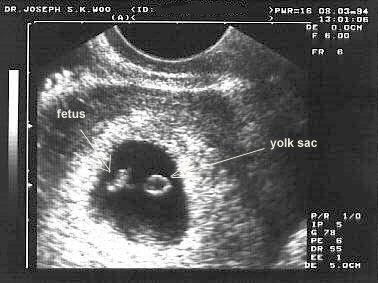
- Amnion: Transparent disk that form from cells of the embryonic disk. It surrounds the embryo completely and it is only penetrated by the umbilical cord. The amnion is filled with the amniotic fluid that protects the baby from injures and drastic temperature changes.
- Yolk sac: Yolk sac in humans is responsible to provide the embryo blood cell, while it can produce by its own. It also contributes for the formation of the digestive tract.
- Allantois: Part of the umbilical cord. It is used to clean the waste of the baby.
- Chorion: The membrane that is part of the placenta.
- Placenta: disk shaped organ that is rich in blood-vessels. It transport nutrients to the fetus, cleans its waste. transport oxygen, secretes hormone, and transport antibodies from the mother into the fetus.
Embryonic Development
In medicine, the prebirth period is divided into three trimesters. They are divided into two periods:
 In the female body, after the egg is release of the follicle, thanks to the hormone LH, it start its journey to the uterus in the oviduct, with the help of muscular contractions and the wavelike movements of the scilia, that lines in the walls of the oviduct. It takes about four days to reach the uterus, so the egg needs to be fertilized in this period of time.
 As the egg is being fertilized, it keeps moving in the oviduct. During the journey to the uterus, many events can be observed in the zygote.
 The balstocyst will attach to the endometrium, with the inner cell mass against it. The trophoblast will secrete enzymes that digest some of the tissues and blood vessels of the endometrium. In a process called implatation, the blastocystslowly sinks into the endometrium. After this process is done, the woman is said to be pregnant.
 When the process of implantation is completed, the inner mass cell starts to change. A space starts to be formed between the trophobalst and the inner mass cells. This space is called amniotic cavity, and will soon be filled with fluid, which the embryo will be floated in.
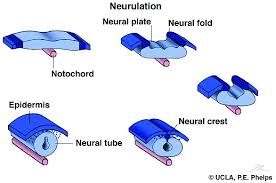 During the thrid week, a group of cells starts to be developed along the back of the embryonic disk. This cells are gonna be transformed in the baby's back and also a structure called notochord. The notochord will be the basic framework of the skeleton. The nervous system develops from the ectoderm that is just aboce the notochord. The cells above the notochord begin to thick, than they will form a tube, this tube will form the brain and the spinal cord. This process of the formation of this tube is called neurulation, and starts the organ formation. Soon after the neurulation, the heart starts to be formed.
- Embryonic period of development: This period of development takes place in the first two third of the first trimester, which means the first 8 weeks. During this time, cells are been divided and tissues and organs are been formed, as well as structures that support and nourish the developing embryo.
- Fetal period of development: This period starts in the ninth month until the birth. During the fetal period, the body growth rapidly and organs start to work, formatting organ systems.
Fertilization
Fertilization is the starting point of the human development. It involves the joining of male and female gametes to form a single cell that have 46 chromosomes, 23 from each parent.
 In the female body, after the egg is release of the follicle, thanks to the hormone LH, it start its journey to the uterus in the oviduct, with the help of muscular contractions and the wavelike movements of the scilia, that lines in the walls of the oviduct. It takes about four days to reach the uterus, so the egg needs to be fertilized in this period of time.
Millions of sperms get into the vagina, they need to survive a long path until reach the ovum. Some die due to acid in the vagina, or because of the female's immune system, some however, take the wrong way.
The ovum is protected by a membrane that also provides it energy. In order to penetrate this membrane, the sperm cells come with the acrosome, that have enzymes. Hundreds of sperm are necessary to make a pathway through the membrane, that's why the first sperm to reach the ovum, is not always the first one to get inside it. Once one sperm cells get inside, the membrane of the ovum depolarize and prevent the other perms to get in.
As time passes by the genetic material of the gametes mix and his result in the formation of a zygote.
Cleavage
 As the egg is being fertilized, it keeps moving in the oviduct. During the journey to the uterus, many events can be observed in the zygote.
In short period of time, the zygote start to divide into different numbers of cells. It divides so fast that the size of the zygote remains the same. The process of division without the enlargement of the cells is called cleavage.
When the number of cells reach 16, the zygote is now called morula. When the morula reaches the uterus it starts to be filled by liquid from uterus. As the fluids gets in the embryo, it start a formation of two different group of cells.
The entire structure is called blastocyst. One group of cells called trophoblast forms the outer layer of the blastocyst. The trophoblast will form a membrane called chorion, that will become part of the placenta.
The other group of cells are called the inner cell mass, or embryoblast. They will develop in the embryo.
 The balstocyst will attach to the endometrium, with the inner cell mass against it. The trophoblast will secrete enzymes that digest some of the tissues and blood vessels of the endometrium. In a process called implatation, the blastocystslowly sinks into the endometrium. After this process is done, the woman is said to be pregnant.
About the time that the implantation occurs, the trophoblast starts to secret the hormone hCG. This hormone has the same function as the LH. It maintains the corpus luteum alive, that will keep the level of estrogen and progesterone high, which will prevent the endometrium to be broken down. After a couple of months, the corpus luteum can be degenerated, since the placenta can secret enough estrogen and progesterone by its own.
Tissue Formation
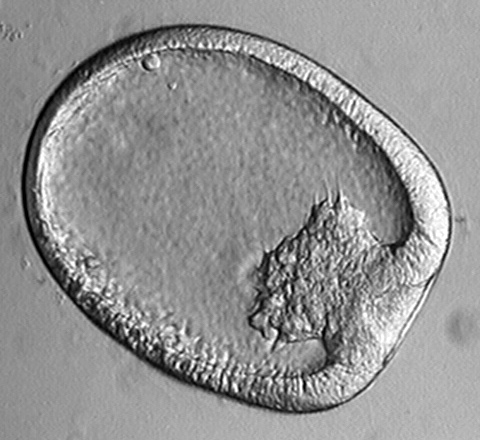 When the process of implantation is completed, the inner mass cell starts to change. A space starts to be formed between the trophobalst and the inner mass cells. This space is called amniotic cavity, and will soon be filled with fluid, which the embryo will be floated in.
As the amniotic cavity forms, the inner mass cells start to from a disk, called the embryonic disk. The embryonic disk is formed by three layer: ectoderm, endoderm, and mesoderm. These are called the primary germ layers, and the process of their formation is called gastrulation. The disk is naw called gastrula.
The ectoderm will form our skin, nervous tissue, teeth, eye lens, and etc. The mesoderm will form the blood vessels, muscles tissues, bones, heart and etc. The endoderm will form the respiratory and digestive tract, among other structures.
Gastrulation marks the initiation of the morphogenesis, that is the series of events that form distinct structures of the developing organism. Differentiation is the cellular process which enables the cells to develops in a certain shape and perform a certain function.
Organ Formation
After the 8 week, 90% of the organs are formed, and the embryo can now be called fetus.
Female Reproductive System - Hormonal Regulation
Human females follow a cyclical pattern called the menstrual cycle. The menstrual cycle is responsible to release the ovum in the same period as the uterus is most receptive to a fertilized egg.
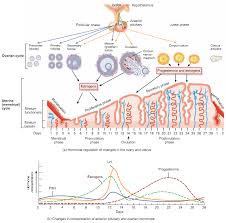 If the ovum is fertilized and implanted in the endometrium, the level of estrogen and progesterone will remain high in order of the hormone hCG, secreted by the embryo-supporting membrane. Progesterone will maintain the endometrium to support the developing fetus, while estrogen prevents other follicle to mature.
The menstrual cycle usually takes 28 days to be completely, however it may very from women to women. The cycle is said to begin with menstruation and end with the start if the next menstrual period.
The menstrual cycle is said to be divided in two different, but interconnect, set of events. One takes place in the ovaries and its called the ovarian cycle, while the other takes place in the uterus, and its known as the uterine cycle.
The Ovarian Cycle
Each follicle contains a immature ovum inside. Many follicles degenerate during a girl's life time. In a single ovarian cycle, only on follicle will release a ovum, and then it will turn to a yellowish structure called corpus luteum, which will eventually degenerate.
The ovarian cycle can be divided into two stages:
- Follicular Stage: It all begins with a increase in the level of FSH in the body. This FSH will stimulate the development of one follicle. As the follicle matures, It releases some of the hormone called estrogen and some progesterone. As the level of estrogen increases, the production of FSH decreases and increases the production of GnRH which will stimulate the production of LH. The LH will trigger the release of ovum from the follicle (ovulation).
- Luteal Stage: Once the ovum is released, the LH causes the follicle to develop into a corpus luteum. The corpus luteum will secrete some progesterone and estrogen, which will inhibit the production of LH. When the copus luteum degenerates, there is a decrease in the level of estrogen and progesterone. The low levels of these hormones will cause the production of FSH, which will trigger the cycle all over again.
The Uterine Cycle
If fertilization occurs, it take a few days until the zygote gets to the uterus. Thus, the uterus and endometrium must be prepared. There is a build up of tissues and blood vessels in the endometrium. If fertilization doesn't occur, the endometrium will disintegrates and menstrual cycle will begin all over again.
The uterine cycle start in the same day as the ovarian cycle. As a new follicle starts to be developed and the levels of estrogen and progesterone start to increase, which will cause the endometrium to begin thickening. If the corpus luteum degenerates and fertilization does not occur, the levels of estrogen and progesteron decreases causing the endometrium to break down.
Male Reproductive System - Hormonal Regulation
During a life time, a male individual is able to produce millions of sperm cells. The hormones that triggers this production, are also responsible for the regulation of the male reproductive system.
The release of the hormone GnRH, by the hypothalamus, is able to stimulate the pituitary gland to produce and secrete FSH and LH.
FSH is a hormone that stimulate the testes to produce sperm cells and also to secret the hormone called inhibin, that will act in the negative feedback loop to inhibit the production of FSH. In another hand, LH is not affected by the inhibin. It continuously stimulates the production of testosterone, which will work at the negative feedback loop to inhibit the production of LH.
Male Reproductive System - Maturation
 Puberty is the period where the reproductive system is fully developed and it is now able to be used. During the period, the boy goes under several physical changes.
Puberty begins when the hypothalamus secretes GnRH. This hormone acts on the anterioor pituitary gland, causing it to release two different sex hormones: FSH and LH. These hormones causes the sperm to testes to produce sperm and testosterone.
Most men experience a condition called andropause, which is the gradual decline of testosterone due age. The symptoms are fatigue, depression, loss of muscle.
sábado, 8 de junho de 2013
Sexually Transmitted Infection (STI)
HIV/AIDS
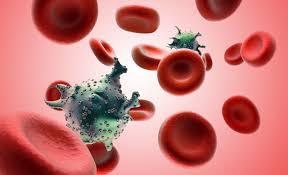
AIDS is a disease caused by a group of virus that are called human immunodeficiency virus, or HIV. This virus attacks a particular type of white cell, the helper T cells, which form part of the immune system. As the level of white cells decrease, the individual becomes more vulnerable to infections that may lead to sickness and death.
HIV is transmitted through sexual contact with a infected individual, shared needles or from mothers that are infect that infect their children during birth or breast-feeding.
There are no cure for HIV. Treatments can alleviate the symptoms of some diseases. The best way to combat HIV is to prevent transmission.
Hepatitis
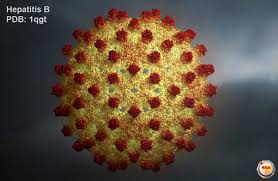 Hepatitis is actually a group of diseases: hepatitis A, B and C. They are all viral infections. Hepatitis A is acquired by drinking contaminated water. Hepatitis B is spread sexually, or by contact with infected blood. Hepatitis C is transmitted by the contact with infected blood.
The symptoms of Hepatitis B are fever, headache, nausea, loss of appetite, and abdominal pain. If propagated it can cause liver failure, liver cancer, and even death. Some people can recovery completely, however, other becomes asymptomatic, which doesn't show any symptom but still can transmitted the disease.
There are vaccine to prevent Hepatitis.
Genital Herpes
 Genital herpes is a very common viral STI. ONE OUT OF THREE SEXUALLY ACTIVE PEOPLE IN CANADA HAS GENITAL HERPES!
Genital herpes is caused by two different viruses: HSV 1, commonly causes infection of the mouth, and HSV 2 that caused genital herpes and is transmitted by genital contact.
The most common symptom is the appearance of blisters in infected areas. It can cause to the individual flu-like symptoms. There is no cure for herpes!
Human Papilloma Virus (HPV)
A group of virus responsible for the genital warts. It is transmitted skin-to-skin contact, which means, condoms cannot prevent this disease. This disease may lead to cancer.
Chlamydia
Chlamydia is a sexual disease caused by a bacterium. It may cause fever and burning pain while urinating. When the woman doesn't treat it, it can be passed to the cervix or the oviduct, which can lead to pelvic inflammatory disease, blocking the oviducts.
Treatments with antibiotics can cure completely Chlamydia.
Gonorrhea
It is a bacterial disease.. It causes infections that can lead to painful urination. It can lead to PID and affect the heart and brain. Antibiotic are the cure.
Syphilis
Another bacterial disease. It format rashes in the skin. It can also affect the cardiovascular and nervous system. A infected person can become mentally ill, blind, or acquire heart disease. It can be cured with antibiotics.
AIDS is a disease caused by a group of virus that are called human immunodeficiency virus, or HIV. This virus attacks a particular type of white cell, the helper T cells, which form part of the immune system. As the level of white cells decrease, the individual becomes more vulnerable to infections that may lead to sickness and death.
HIV is transmitted through sexual contact with a infected individual, shared needles or from mothers that are infect that infect their children during birth or breast-feeding.
There are no cure for HIV. Treatments can alleviate the symptoms of some diseases. The best way to combat HIV is to prevent transmission.
Hepatitis
The symptoms of Hepatitis B are fever, headache, nausea, loss of appetite, and abdominal pain. If propagated it can cause liver failure, liver cancer, and even death. Some people can recovery completely, however, other becomes asymptomatic, which doesn't show any symptom but still can transmitted the disease.
There are vaccine to prevent Hepatitis.
Genital Herpes

Genital herpes is caused by two different viruses: HSV 1, commonly causes infection of the mouth, and HSV 2 that caused genital herpes and is transmitted by genital contact.
The most common symptom is the appearance of blisters in infected areas. It can cause to the individual flu-like symptoms. There is no cure for herpes!
Human Papilloma Virus (HPV)
A group of virus responsible for the genital warts. It is transmitted skin-to-skin contact, which means, condoms cannot prevent this disease. This disease may lead to cancer.
Chlamydia
Chlamydia is a sexual disease caused by a bacterium. It may cause fever and burning pain while urinating. When the woman doesn't treat it, it can be passed to the cervix or the oviduct, which can lead to pelvic inflammatory disease, blocking the oviducts.
Treatments with antibiotics can cure completely Chlamydia.
Gonorrhea
 |
| Bacteria that transmits gonorrhea |
It is a bacterial disease.. It causes infections that can lead to painful urination. It can lead to PID and affect the heart and brain. Antibiotic are the cure.
Syphilis
Another bacterial disease. It format rashes in the skin. It can also affect the cardiovascular and nervous system. A infected person can become mentally ill, blind, or acquire heart disease. It can be cured with antibiotics.
Sperm Cell vs Egg Cell

- Size: The sperms cell are very small compared to the ovum.
- Energy Reserves: Before ejaculation the sperm is provided with fat, and after ejaculation the sperm use the fructose provide by the fluid secreted by the seminal vesicles, thus, the sperm cell can live for three to five days. In another hand, the egg can only live for one day if not fertilized. If fertilized, it will be implant in the endometrium, which will provide enough energy.
- numbers produced: Sperm are continuously produced, while eggs are not as much.
- Motility: The sperm are motile, however the eggs cannot move by themselves.
- Outer structures: The sperm head has a cap called acrosome, that contains enzymes that will help the sperm to enter the egg. The egg has a outer coating, which in most cases can only be penetrated by the sperm of the same specie.
Female Reproductive System

The ovaries contain the follicles, structures that the ovum develops from. When the ovum is released from the follicle, it is called ovulation.
Structures called fimbriae continually sweep over the ovary and send the ovum to the oviduct, which will direct the ovum to the uterus. The oviduct is the site of fertilization
Male Reproductive System
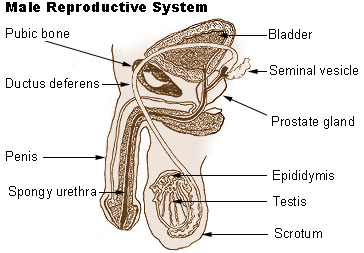
The scrotum is a structure responsible for holding the testes. It regulates the temperature of the gonads, thus, allowing the production of sperm.
Interstitial cells are the cells responsible for the production of the male hormone testosterone. It lies right next to the seminiferous tubules.
The Sertoli cells are a the ones responsible for nourishing and support the developing sperm cells.
The sperm cells are going to develop fully at a structure called the epididymis, from there it goes on the ductus deferens which will take them to the ejaculatory duct and then the penis.
Seminal Fluid
As the sperm cells passes through the ducts deferens, it is mixed with different fluids.
Seminal vesicles produce a fluid that provide sugar (fructose) therefore energy for the sperm cells. The prostate gland and Cowper's gland produce a alkaline fluid that will protect the sperm from the acid in the urethra.
Reproductive System
Both males and females have gonads, which are structures that produce reproductive cells -- sperm and and eggs. These cells are called gametes.
The gonads also produce sex hormones, which are chemical messengers that control the development and function of the reproductive system.
The structures that play a direct role in reproduction are called the primary sex characteristics. The ones that don't play a directly role are called secondary sex characteristics.

The gonads also produce sex hormones, which are chemical messengers that control the development and function of the reproductive system.
The structures that play a direct role in reproduction are called the primary sex characteristics. The ones that don't play a directly role are called secondary sex characteristics.

Assinar:
Postagens (Atom)